
Arizona
Our mission is to save lives by meeting the most critical needs of our communities and investing in breakthrough research to prevent and cure breast cancer.
Arizona
Our mission is to save lives by meeting the most critical needs of our communities and investing in breakthrough research to prevent and cure breast cancer.
Need Help?
Call our breast care helpline to assist with finding local screening and diagnostic facilities or clinical research trials, requesting financial assistance, or other questions or care needs.
Get Involved
Help us reach our vision of a world without breast cancer by getting involved in our local community.

2024 Komen MORE THAN PINK Walk Where You Are
Saturday, October 26, 2024
Join us Saturday, October 26, 2024 for the 2024 Susan G. Komen MORE THAN PINK Walk Where You Are. Together we will share stories, remember those gone too soon, and support those looking for the strength to move forward. Look for an announcement later this Spring when our website goes live!
Learn More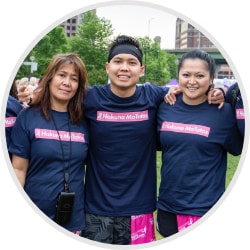
Share Your Story
Breast Cancer Moments
Sharing our stories helps us draw strength from one another. We invite you to share your own story to inspire, comfort, and support others.
We want to hear your story!
Get Involved in 2024
We have a variety of opportunities for individuals, groups, and companies to get involved in 2024.
Learn More

Go Pink for the Cure
We’re excited to announce Komen’s latest fundraising program: Go Pink for the Cure. This program focuses on the next generation of passionate, grassroots advocates for the cause: students!
Learn More
Travel to Help End Breast Cancer
Expedia will donate up to 10%* on booking when you use the dedicated site through May 31, 2024. Bookmark the microsite below and support Komen’s mission while booking all of your upcoming trips.
Plan Your Trip!Local Events
Join the fight to end breast cancer by attending an event in Arizona!
Questions? Contact Us

ShareForCures
Your breast cancer information is as unique as you are. When combined with thousands of other ShareForCures members, you provide scientists with a more diverse set of data to make new discoveries, faster.
Latest News & Information

Spotlight on Clinical Trials: Shining a Light on Breast Cancer Disparities
“In the Black community, there’s a stigma about treatment, clinical trials and research. We have to understand that there’s not enough data to help us if we get sick. There’s not enough data to create treatments that will help us. We need to participate in clinical trials.” Sharon Elmore-Anderson Patient Advocate Living with Metastatic IBC
The post Spotlight on Clinical Trials: Shining a Light on Breast Cancer Disparities appeared first on Susan G. Komen®.

Statement on Passage of Diagnostic and Supplemental Imaging Legislation in Vermont
MONTPELIER – Susan G. Komen®, the world’s leading breast cancer organization, today issued the following statement on the passage of H.621, critical breast imaging legislation in Vermont. Diagnostic and supplemental imaging is a critical form of breast cancer screening for some high-risk individuals and an important step in determining the need for a biopsy to […]
The post Statement on Passage of Diagnostic and Supplemental Imaging Legislation in Vermont appeared first on Susan G. Komen®.
Arizona
Contact Us
Susan G. Komen Arizona

RVP, West: Megan Klink
Email: mklink@komen.org
Phone: 714-453-4702